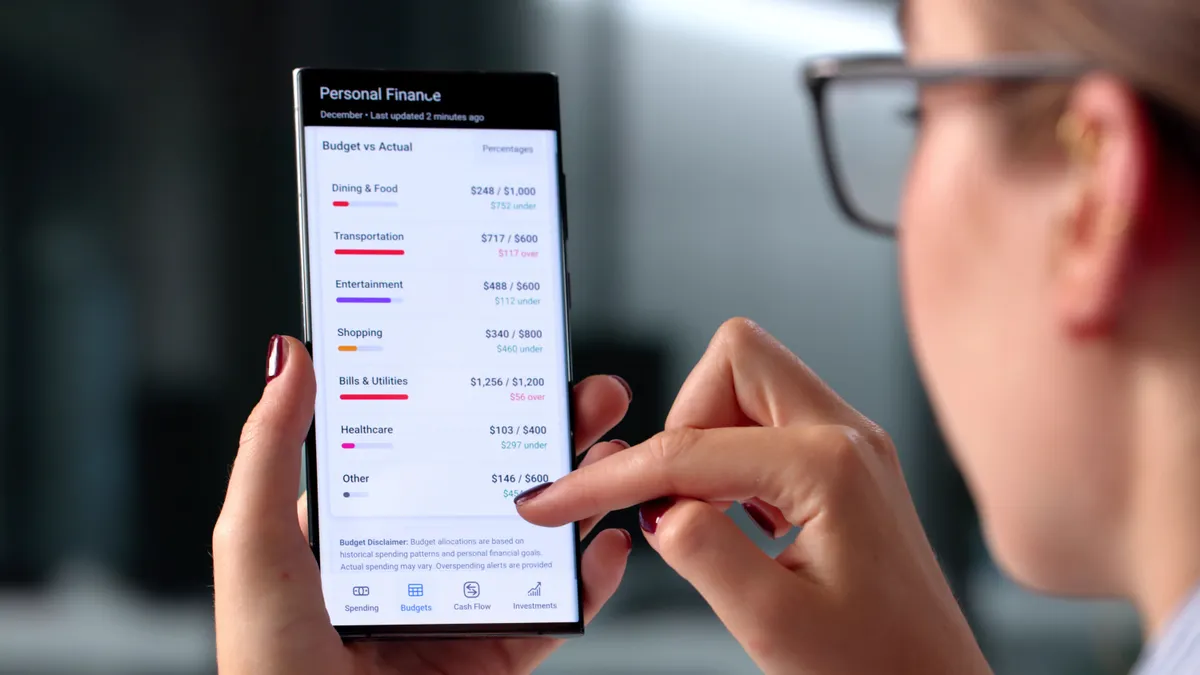
Enterprise tech vendors are shifting to outcome-based pricing, and CIOs are working to understand what the change means for them. Vendors expect to be paid more, not less, as customers turn work over to AI agents.
The benefit for customers, as vendors see it, is increased budget predictability. A completed task becomes a definitive measure of work, whereas token spend means CIOs may not know their true costs until the bill arrives.
But there's no universal structure for outcome-based pricing models in the agentic AI era. Vendors are not abandoning per-seat pricing — some are tailoring their services to directly track output, while others add guarantees to existing per-seat frameworks. For CIOs, this change means they must agree on the outcomes and the consequences if they are not met.
Zendesk, an early adopter of outcome-based pricing, charges customers per resolution, and only when AI handles the issue from end to end.
"If the AI resolves 90% of the problem, but 10% goes to a human agent, we don't count it," said Chris Donato, the company’s president and chief revenue officer. Automation has to resolve “100% of that interaction,” he said.
Zendesk says customers can initially pay less than under seat-pricing. But over time, the firm expects customer spending will rise as they expand their use of automation, Donato said.
Paul Fisher, VP for information technology and CIO at Seton Hall University, said the institution currently pays an outsourced help desk per call or chat. If the vendor charged only for a satisfactory outcome, “that might save me money,” he said in an email. However, the model “adds complication to contract negotiation as you need to be very specific on what the desired outcomes are.”
Still, Fisher said, the added negotiations may be worth it. He sees a longer-term payoff in a model that makes ROI easier to measure, and one that “incentivizes the partner to ‘get it right.’”
Despite the ongoing changes, users are not yet rushing to adopt outcome-based pricing. Only 19% of services buyers and 13% of service agreements on the seller side use such arrangements today, said Tom Coshow, VP analyst at Gartner. The firm projects that through 2031, less than 25% of tech CEO services contracts will use outcome-based pricing.
“Right now, what we see is that the increase in outcome-based pricing is more buzz than reality,” Coshow said. CIOs should assess outcome-based pricing with this question: “If the vendor isn't taking on the risk, why are you bothering with outcome-based pricing?”
How pricing models are shifting
Outcome-based pricing is still in its early stages, according to Carmen Li, CEO of data analytics firm Silicon Data. So far, its influence is in transparency and planning, not in cheaper AI, she said.
“If things are more transparently priced and you can forecast your costs for any of your services, it's easy for the budget,” Li said.
Pricing based on completed work is something that “cannot be disputed,” said Pegasystems COO and CFO Ken Stillwell. The automation platform vendor charges a fixed fee for each completed case, such as a dispute or claim, rather than for seats and tokens. AI-resolved cases can cost slightly more, but the company absorbs the underlying AI costs, keeping the per-case price predictable. Pegasystems manages that risk, in part, by selecting cost-effective models for each task, he said.
HP is increasing the use of AI agents in its Workforce Experience Platform, known as WXP, which is used to manage enterprise IT estates. Part of it includes Smart Refresh, which can analyze device data to determine what needs upgrading or replacement. In one hypothetical scenario, an AI agent analysis could reduce a $50 million equipment refresh to $35 million, said Faisal Masud, who leads HP's WXP effort.
Masud outlined several ways to tie WXP pricing to outcomes, including per-seat contracts with guarantees around ticket reduction and refresh savings.
The pricing structure has to work for both sides, Masud said. But the details are still in development as the industry adjusts — most early adopters won't see those options until mid-to-late 2027, he said.
“There is no hardened view of where this lands, but one thing holds true: whatever the customer pays per seat must result in specific committed outcomes,” he said.
Even if CIOs are slow to adopt outcome-based pricing, the model is likely to stick around.
“Paying per seat is just anachronistic,” said Richard Jones, co-founder of VerifiedThreat, a cybersecurity firm. Their model works like this: If customers don't fix problems, VerifiedThreat’s agents have to monitor more, increasing the vendor’s own costs, but the customer's bill stays flat. If customers patch problems and improve security, VerifiedThreat’s cost falls and the customers can earn credits that reduce what they pay.
“The more we reduce the overall risk, the better-off they are financially as a direct result from this outcome-based pricing,” Jones said.